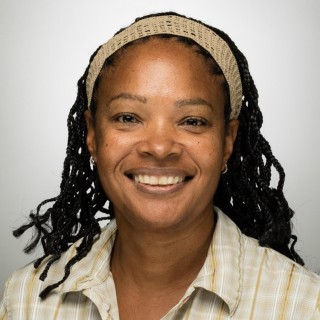
Charlee Requested a Drop
Charlee emailed this morning to say she needed to withdraw. She explained that she’s dealing with personal circumstances that are weighing heavily on her, disrupting her mental well-being, and making it impossible to keep up with school the way she wants to. This wasn’t a student who was struggling academically. Charlee was earning an A, the highest grade in the class. She wasn’t giving up; she was overwhelmed.
I read her message and felt that familiar mix of sadness, concern, and resignation. Not because she failed, but because I know how hard she worked. And I know how hard we try, every single week, to keep our students afloat.
In this era of OPX checklists and intervention logs, faculty are expected to document every nudge, every email, every gentle “Hey, are you still with us?” As if the real problem is that we’re not paying close enough attention. As if we wouldn’t notice when a student goes quiet. As if we haven’t been doing this work long before the spreadsheets and required uploads arrived telling us to “prove” it.
The process has created a quiet, persistent message: We’re watching you. A big-brother-style accountability system that treats experienced, caring educators like we might forget to do the job we’ve been doing for decades. And the irony, of course, is that all those interventions we dutifully type up each week, reminders, encouragement, offers of help, phone calls, Canvas messages, they don’t magically change the realities our students are living through.
Students are balancing jobs, caretaking, financial stress, health crises, unstable housing, grief, trauma, and the everyday weight of being human in a world that keeps getting harder. And even when we show up fully, giving extensions, recording video feedback at midnight, revising modules, offering alternative assignments, cheering them on, sometimes the compassionate and responsible choice for them is still to drop the class.
That isn’t a failure. Not theirs, not ours.
But the documentation culture can make it feel like one. When a student withdraws, the unspoken question becomes, Did you intervene enough? As if retention happens because we clicked the right boxes, not because our students are human beings doing their best in difficult circumstances.
Charlee’s withdrawal reminded me of something important: our job is to teach, to support, to care, and to offer students every reasonable opportunity to succeed. It is not to save them from their lives, or from choices they need to make for their own well-being.
We can keep doing the interventions, because that’s part of the job now. But we don’t have to absorb the assumption behind them. We know the truth already. We do the work. We see our students. We show up, week after week, with patience and compassion. And sometimes, even then, students still step away, not because we failed, but because life is bigger than our classes.
Charlee withdrew today, even as the top student in the course. I hope she finds steadiness, rest, and a way forward. And I hope we, as faculty and administrators, keep reminding ourselves that the measure of our care is not in the OPX log, but in the way we treat the people who cross our paths, even when the outcome isn’t what we hoped for.